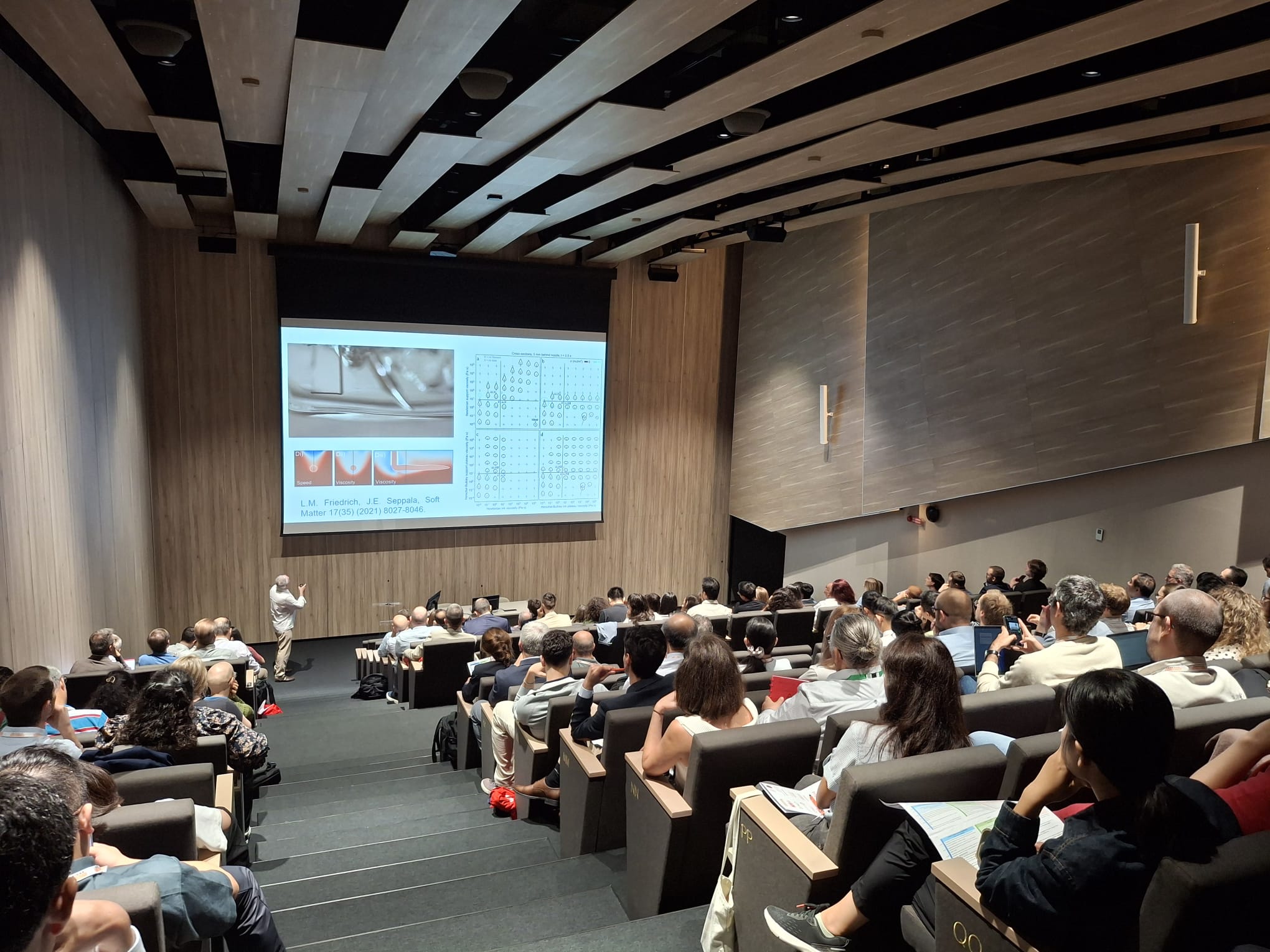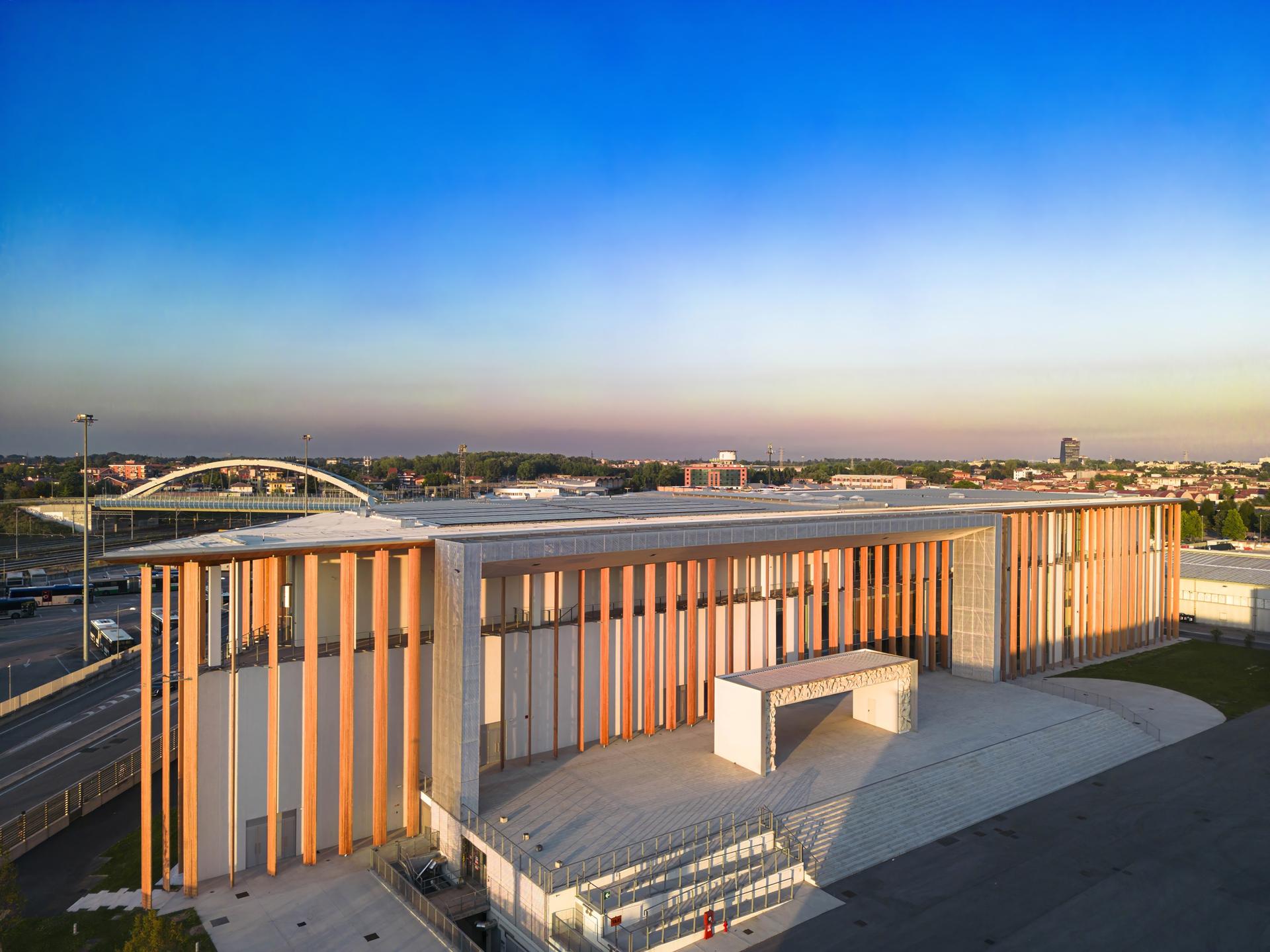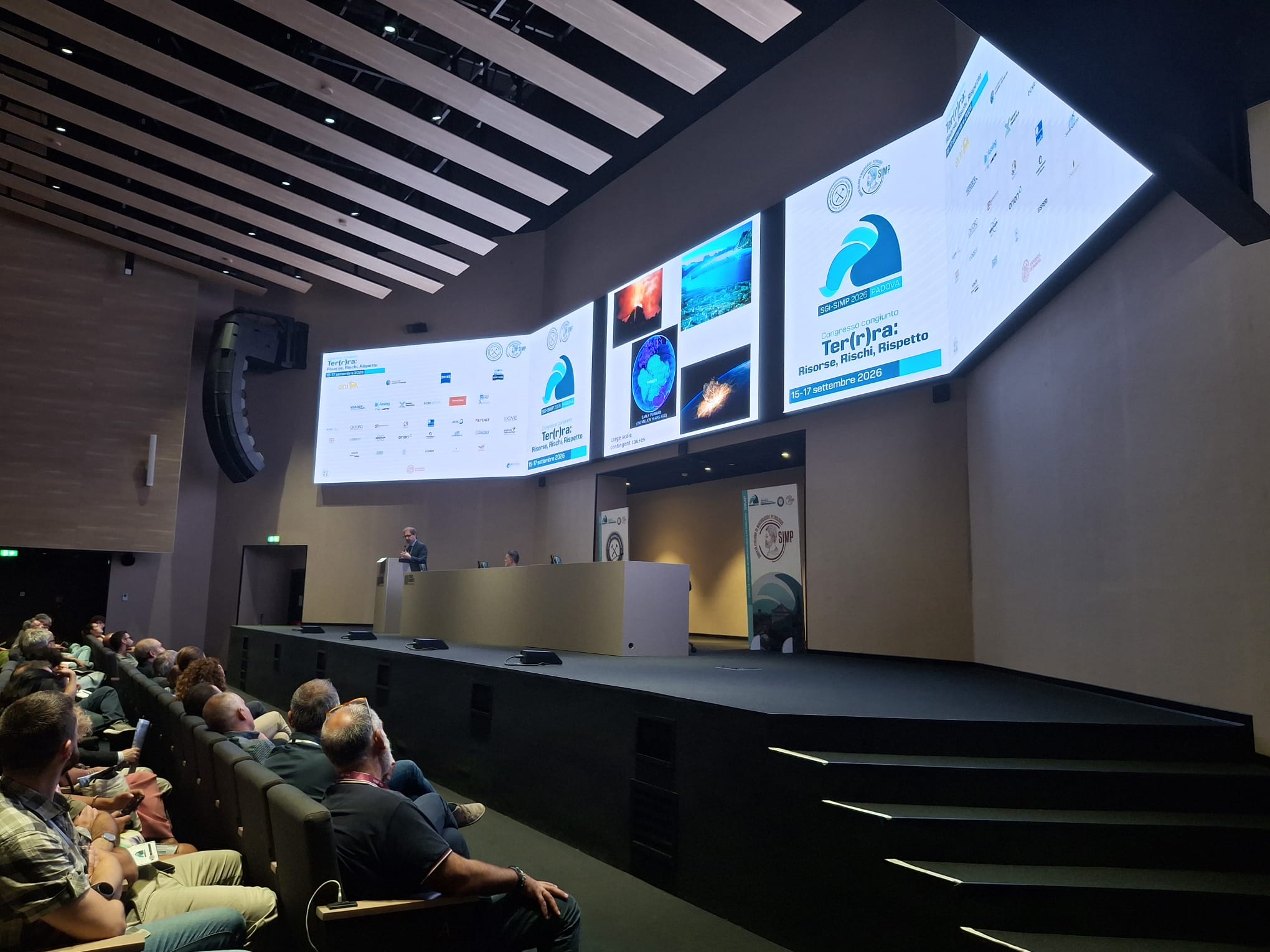
Over the past few days, Padova Congress hosted the 39th ANMA National Congress, an event that brought together occupational physicians, experts, institutional representatives, and prevention professionals around the theme “Managing Tools, Protecting Health.”
The congress focused on the role of occupational medicine within a rapidly evolving landscape shaped by technological innovation, new workplace risks, and increasing regulatory complexity. Throughout the sessions, participants highlighted the need to support these changes with practical tools, interdisciplinary expertise, and a more integrated approach to prevention.
Significant attention was dedicated to the relationship between artificial intelligence and the role of the occupational physician. Speakers explored the opportunities offered by new digital tools, while also addressing issues related to governance, professional responsibility, data protection, and the importance of preserving the physician’s clinical judgment, which cannot be replaced by automated systems.
Among the key topics discussed were reprotoxic substances, examined from regulatory, clinical, and operational perspectives. The congress emphasized the importance of complementing the existing legislative framework with practical tools, clearer assessment criteria, and an approach capable of carefully evaluating individual substances, different exposure levels, and their impact on fertility and reproductive health.
The discussion also focused on the concept of strenuous work, analyzed through its biomechanical, cardiovascular, and psychosocial dimensions. From muscular fatigue and vascular risk to the effects of the digital intensification of work, participants stressed the need for increasingly personalized health surveillance tailored to the actual characteristics of both job tasks and workers.
The congress also opened discussions on several emerging challenges, ranging from night work and occupational zoonoses to epilepsy in relation to fitness for work, as well as the effects of artificial light on metabolic and cardiovascular health. Although diverse, these topics shared a common objective: translating scientific complexity into practical guidance for the daily work of occupational physicians.
The program also featured a poster session showcasing contributions on the use of large language models in drafting health surveillance protocols, as well as on the relationship between cardiovascular risk, perceived stress, and motivational counseling among workers. The congress concluded with ANMA’s commitment to further strengthening AI literacy initiatives and continuing its multidisciplinary work on the most relevant issues in occupational prevention.
For Padova Congress, hosting an event of this caliber further confirms its role as a leading venue for medical and scientific congresses capable of fostering dialogue among research, institutions, professionals, and innovation around key issues shaping the present and future of workplace health.